




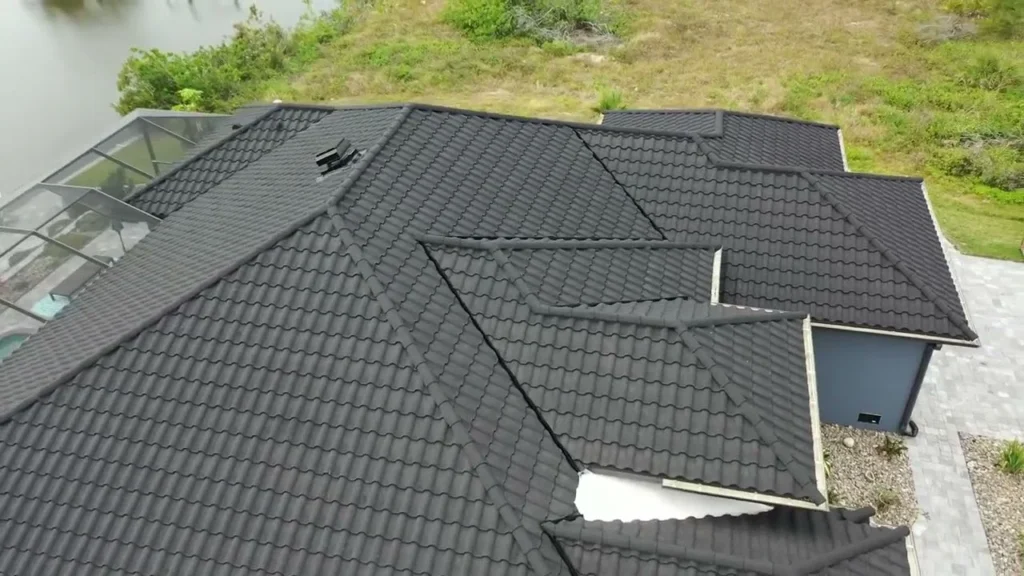
The monsoon season in Sri Lanka brings life-giving rain, but it also tests the resilience of our homes. Your roofing sheets are the first line of defense against torrential downpours and strong winds. A little proactive care can prevent costly repairs and ensure your family stays safe and dry with Roofmart. This comprehensive guide from Roofmart, your trusted partner for quality roofing sheets Sri Lanka, provides a simple yet effective maintenance checklist to keep your roof in top condition through the rainy season.
Why Monsoon-Specific Roofing Sheet Maintenance is Non-Negotiable
Waiting until the monsoon hits to take care of your roof is a gamble you do not want to take. The intensity of the weather can take advantage of minute weaknesses to create:
- Leaks and Water Damage: Undermining the ceiling, walls, and even the structural integrity of your building.
- Mold and Mildew Development: Creating unsanitary indoor air quality and nasty smells.
- Corrosion and Wear: Shortening the life cycle of your roofing sheets.
- Safety Hazards: Loose sheets are dangerous flying objects on windy days.
Protecting your roof translates to protecting your investment. Familiarity with the roofing sheets price in Sri Lanka is only the first step; maintaining them makes you relish the most out of your investment.
Your Pre-Monsoon Roofing Sheets Maintenance Checklist
Follow this step-by-step process to ensure that your roof is monsoon-ready.
1. Visual Inspection (Ground Level & Safely from a Ladder)
- Start with a proper visual check. Use binoculars on the ground for an overview and then use a stable safe ladder carefully for close inspection.
- Sagging Detection: Sag or curvature of the roof line is an indication of potential structural issue.
- Rust Spot Examination: Especially on metal roofing sheets. Even small spots can grow fast in wet rainy conditions.
- Check Cracked or Broken Sheets: Look for cracks, tears, or sections that have become brittle.
- Check Sealants and Flashings: Check the seals between joints, vents, and chimneys. Cracked or shrunk sealant is a perfect entry point for water.
2. Clean Debris and Clear Gutters
- Blocked gutters are the most frequent cause of water backup and leaks.
- Clear Leaves and Branches: Clear all obstructions from valleys, roof areas, and gutters.
- Clean Downpipes: Check them by pouring water through them to ensure free flow. Blockage will cause overflowing gutters that will damage your walls and foundation.
3. Tighten Fasteners and Check Fixtures
- The strong winds in a monsoon can loosen hardware that holds your roof in place.
- Tighten Nails and Screws: Tighten all fasteners. Replace rusty or missing fasteners.
- Examine Washer Seals: In screw-down roofing sheets, the rubber washers seal watertight. Verify that they’re not cracked, dried out, or rotted.
4. Treat and Prevent Rust
Rust is the biggest enemy with galvanized or metal roofing sheets.
Light Surface Rust: Sand down the surface lightly and touch up with paint or anti-rust primer of a matching color to your roof.
Key Rust: If a sheet becomes highly corroded, it is often more economical to replace it than to repair. Roofmart offers top-quality, rust-proof solutions that bring more long-term value on your roofings sheets price in Sri Lanka investment.
5. Trim Overhanging Tree Branches
Take control of your world.
Cut Hazardous Branches: Overhanging branches above your roof can wear against roofing sheets in the wind, wearing away protective coverings and degrading the sheets. They also drop leaves that clog gutters.
Choosing the Right Roofing Sheets for Sri Lankan Weather
Not all roofing sheets are created equal, especially when facing a monsoon. Investing in quality from the start minimizes maintenance headaches.
| Feature | Standard Sheet | Premium Roofmart Sheet (e.g., Color Coated) | Why It Wins in Monsoon |
| Corrosion Resistance | Basic galvanization | Advanced AZ150 coating or color coating | Superior protection against relentless rain and humidity. |
| Weather Tightness | Relies on external sealants | Integrated sealing systems & durable washer seals | Prevents water ingress at fixing points, the most vulnerable spots. |
| Impact Resistance | Can be brittle | High-tensile strength steel | Withstands impact from wind-blown debris without cracking. |
| Long-Term Value | Lower initial cost, higher maintenance | Higher initial roofing sheets price in Sri Lanka, very low maintenance | Better ROI over time with fewer repairs and replacements. |
At Roofmart, we do not just offer roofing sheets; we build trust through expertise and a commitment to protecting Sri Lankan homes. Our personnel possess comprehensive firsthand knowledge of local climatic problems and the best materials to combat them. We respect authoritativeness by offering products that meet stringent quality standards and are proved to deliver. You can count on your safety and satisfaction as our central focus.
Don’t wait until the first leak to discover a problem. Get ahead of it! Have a free, expert consultation from Roofmart today. Let us send an expert to check your roof, guide you on the correct solutions, and provide a transparent quotation for any new installation or maintenance needs. Invest in peace of mind this monsoon season.
Call Roofmart today and make your home stronger!
Roofmart (Pvt) Ltd
No 53/A, 2
Delghalanda,
Padukka,
Sri Lanka
Call: +94 77 340 8652
FAQs
Q: How often should I inspect my roofing sheets?
A: Roofmart recommend a thorough inspection at least twice a year: once just before the monsoon season (May/June) and again after it ends (December/January).
Q: Can I paint my existing roofing sheets to improve protection?
A: Yes, but proper preparation is key. Clean the surface thoroughly, sand off any rust, and use a primer designed for metal surfaces before applying a compatible topcoat. According to Roofmart experience.
Q: What is the average lifespan of roofing sheets in Sri Lanka’s climate?
A: It varies greatly by quality. Standard galvanized sheets may last 7-15 years, while premium color-coated sheets from Roofmart can last 25-40 years with proper maintenance.
Q: When should I completely replace my roofing sheets instead of repairing them?
A: Consider replacement if over 20% of the sheets are severely rusted, multiple leaks are appearing, or the structural integrity seems compromised. It is often more economical long-term.